
Educating About Non-venomous Snakes and Inedible Frogs
- jigmewangyal
- Feb 1, 2025
- 2 min read
Welcome to the fascinating world of the Bhutan Herpetofauna Research Foundation! Our organization is dedicated to the study and conservation of the diverse amphibians and reptiles found in Bhutan. One of our primary goals is to educate the public about the different species of non-venomous snakes and inedible frogs that inhabit this region.
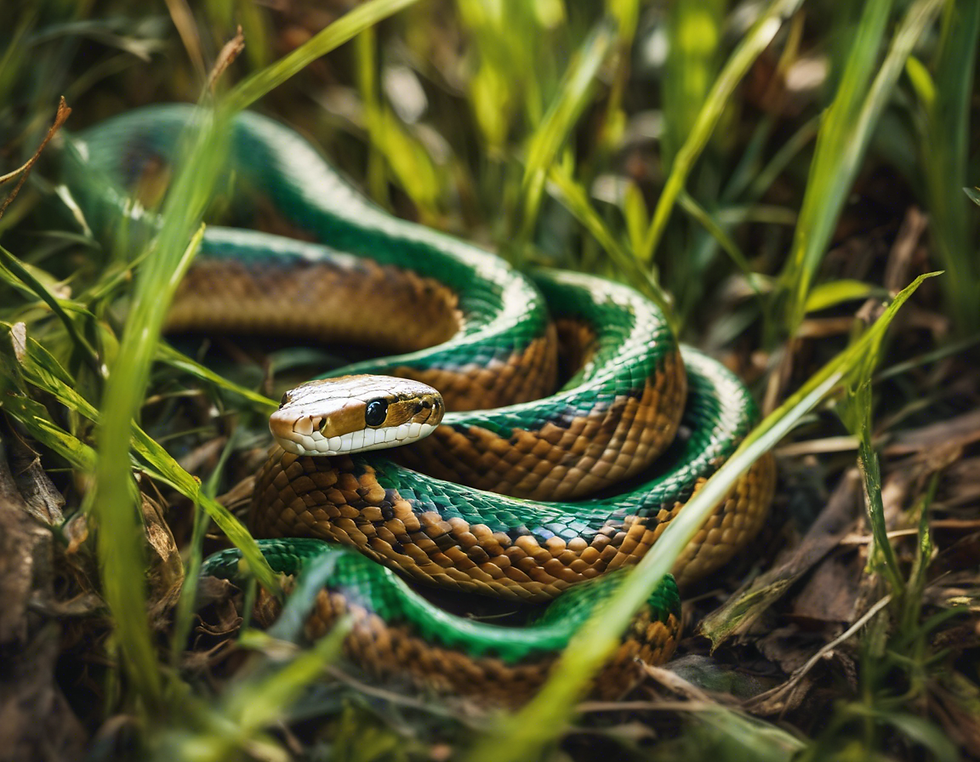
Many people have a fear of snakes, often assuming that all snakes are venomous and dangerous. However, it is essential to understand that not all snakes pose a threat to humans. In Bhutan, there are several species of non-venomous snakes that play a crucial role in maintaining the ecosystem's balance. By educating the public about these harmless snakes, we aim to dispel common myths and misconceptions surrounding these reptiles. Similarly, our organization also focuses on raising awareness about inedible frogs. While some frogs are consumed as a delicacy in certain cultures, there are species of frogs that are toxic and should not be ingested. By learning to identify these inedible frogs, we can prevent accidental poisoning and ensure the safety of both humans and wildlife. Our target audience includes the people of Bhutan, researchers, college and school children, as well as NGOs involved in species conservation. We believe that community engagement is crucial in promoting the conservation of amphibians and reptiles. Through workshops, seminars, and awareness campaigns, we strive to instill a sense of appreciation and respect for these often misunderstood creatures. Although our organization is currently based in Australia, we are laying the groundwork for our future presence in Bhutan. By establishing strong partnerships and collaborating with local communities, we hope to make a meaningful impact on the conservation efforts in this region. Join us on this exciting journey as we delve into the world of non-venomous snakes and inedible frogs. Together, we can work towards a future where these unique species are protected and cherished for generations to come.


Comments